

This upcoming year, Woodbridge High will undergo renovations and teachers and students both have various opinions and reactions as they speculate how their school lives will be affected.
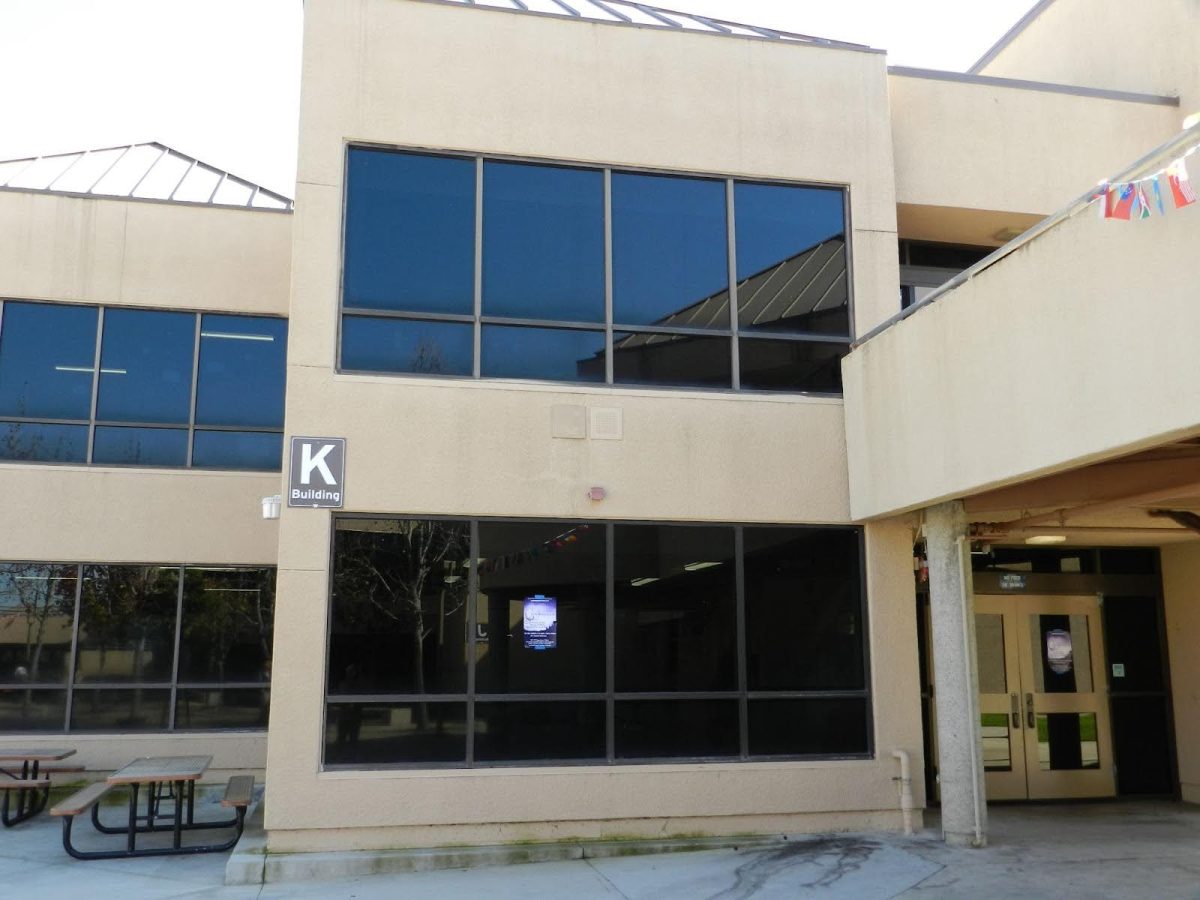
The district-funded project will primarily affect classrooms in the K and J buildings. While specific details about the upgrades have not been fully outlined to all staff members, teachers say they are hopeful that the renovations will address long-standing infrastructure limitations and improve instructional spaces in meaningful ways.
For math teacher David Gesk, the anticipation centers on practical classroom upgrades rather than dramatic redesigns. “I’m excited for the small things, like maybe new carpet, new walls,” Gesk said. “I think we’re going to have whiteboards around the room, so that’d be kind of nice rather than these posters.”
Additional whiteboard space would allow for a more interactive experience. In many math classrooms, limited board space restricts how many students can work through problems at one time. Expanding writing areas around the room could make collaborative problem-solving easier and more accessible. He also hopes renovations will improve ventilation and overall classroom comfort.
“Maybe a new ventilation system, clean air. Maybe windows that open to the outside, I don’t think that’s going to happen, but that would be my dream,” Gesk said.
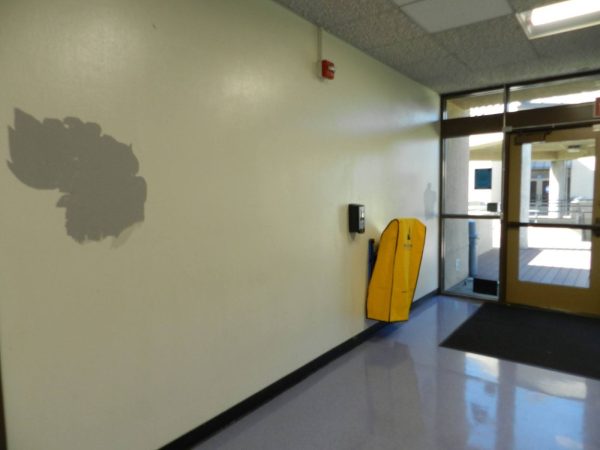
Many of the K and J classrooms were built decades ago, and while still functional, teachers say updates to airflow systems, wall space and basic classroom finishes could significantly improve daily learning conditions.
Although Gesk expressed optimism about the upgrades, he acknowledged that moving to portable classrooms will temporarily change routines.
“I think it will change the teachers, especially, because we’ve been here in this building the whole time,” Gesk said. “I don’t know where the bathrooms will be,” Gesk said.
Relocating to portables may require teachers to adjust walking routes, transition timing between periods and access to campus facilities. While students may experience slight shifts in classroom locations, teachers say the larger adjustment will likely fall on staff members who must reorganize materials and redesign class room setups. Still, Gesk said the short-term inconvenience is manageable.
“As long as there’s air conditioning and it’s temporary, I think it’s fine [and] it’ll be worth it,” Gesk said.
Math teacher and boys’ tennis coach Ryan Sabado expressed a similar perspective, focusing on how renovations could improve classroom equity across campus. Currently teaching in a former computer lab in the K building, Sabado benefits from having a larger number of electrical outlets than most classrooms in the K and J buildings. In other classrooms, limited access to outlets can restrict technology use and device charging during class. He hopes the renovations will create more consistent access to outlets and whiteboard space for all teachers in the J and K buildings.
In other classrooms, limited access to electrical outlets can significantly restrict students’ and teachers’ ability to use technology effectively, making it difficult to charge laptops, tablets, and other essential devices during class, which can disrupt lessons, slow productivity, and create unnecessary frustration. He hopes the renovations will create more consistent access to outlets and whiteboard space for all teachers in the J and K buildings, improving daily instruction and overall classroom functionality.
“Being a math teacher, I hope they give us more whiteboard spaces so we can do more vertical whiteboards,” Sabado said.
Vertical whiteboarding, which allows students to stand and solve problems around the room, has become a more common instructional strategy in math courses. Teachers say expanded board space could encourage more student participation and movement during class.
While instruction will remain consistent, Sabado said the move may slightly complicate after-school activities. As a tennis coach, he frequently travels between campus buildings and athletic facilities and construction could add to already congested parking conditions.
“Being a coach, just trying to figure out what’s the most efficient way to get to the tennis courts after school, trying to get from the parking spot to the courts is always an issue anyway,” Sabado said.
Junior Landon Pinson said students are also thinking about how the renovations could shape their learning experience in the years ahead. While much of the discussion has centered on infrastructure, Pinson said students are paying attention to how the physical environment of classrooms influences focus, collaboration and overall motivation during the school day.
“It would be nice to see more whiteboards, better lighting, and classrooms designed to support technology and group work,” Pinson said.
Pinson said features such as additional windows or more open space could make classrooms feel less crowded and more engaging, particularly during longer class periods. He added that updated lighting and cleaner, quieter spaces could help create an environment that feels more distinct for education, and allows students to focus with better intensity. Consequently, this updated environment could account for better grades across the school, as well as new features in computer labs that could be useful for computer science students.
Although he acknowledged that relocating to portable classrooms may feel inconvenient at first, Pinson said he believes the adjustment is temporary and manageable if the renovations lead to meaningful improvements.
“Overall, I feel mostly optimistic about the renovations than not because they could improve the learning environment long-term and make the campus look nicer,” Pinson said.
Pinson said that while portables may initially feel different or more confined, the long-term goal of updated classrooms and improved facilities makes the transition seem worthwhile for both students and teachers.
Though some uncertainty remains about specific renovation details, teachers say they are hopeful that updated classrooms will provide more modern instructional spaces, improved ventilation, and increased access to teaching resources once construction is completed later this spring. All of these features would cohesively upgrade high schoolers’ experience at Woodbridge High, adding numerous upsides for future students.