

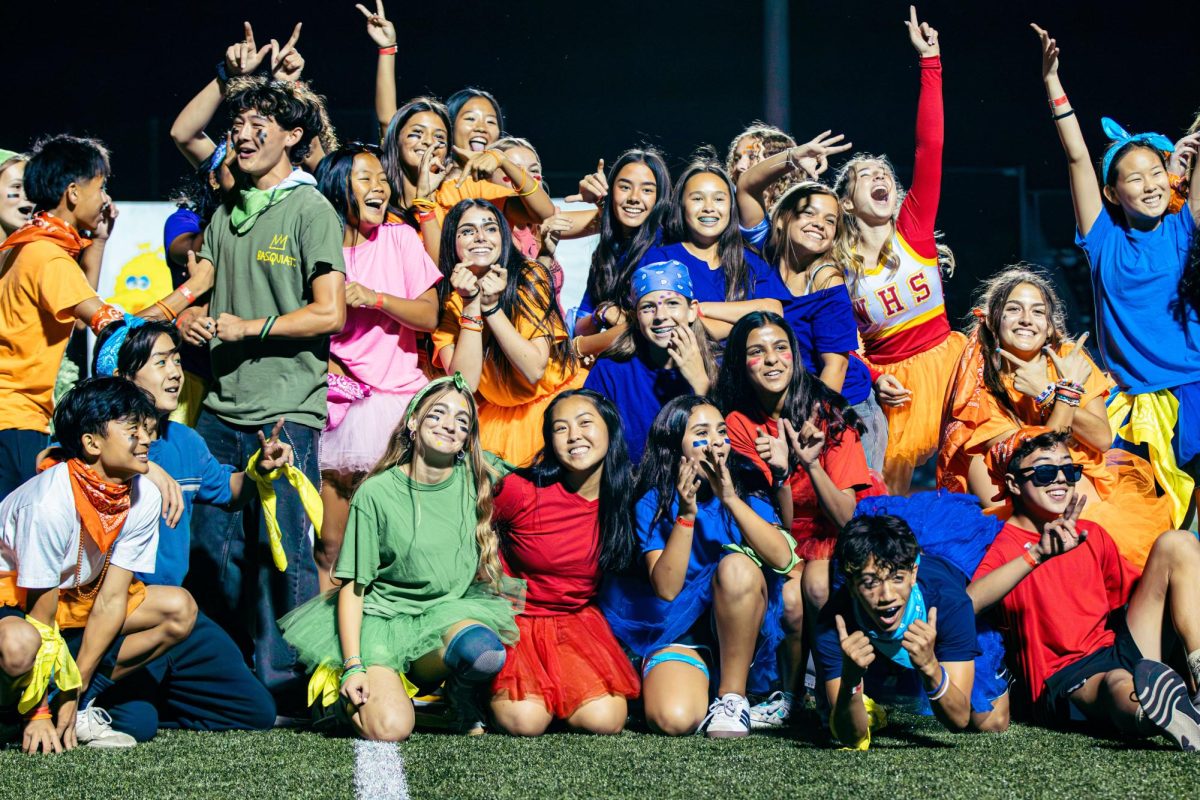
The start of the school year marked the beginning of many transformations. In autumn, leaves changed from green to orange, students stepped into new grades and new experiences began to form. But perhaps the biggest change at the start of the school year was the evolution of the average student to a public performer in Woodbridge High’s annual homecoming skit. The homecoming skit, or hoco skit, is the dance that students practiced outside of school for three weeks, which was then performed at the start of the school year marked the beginning of many transformations. In autumn, leaves changed from green to orange, students stepped into new grades and new experiences began to form. But perhaps the biggest change at the start of the school year was the evolution of the average student to a public performer in Woodbridge High’s annual homecoming skit. The homecoming skit, or hoco skit, is the dance that students practiced outside of school for three weeks, which was then performed at the homecoming game half time show.
Every year, students come together as leaders, editors, choreographers and dancers to craft a performance that will be long remembered after the final bow. From editing songs into cohesive medleys, turning everyday closet pieces into costumes and forming friendships at practices, students working to be part of hoco skit have a lot to balance.
It all starts in the Associative Student Body (ASB) with each class president.
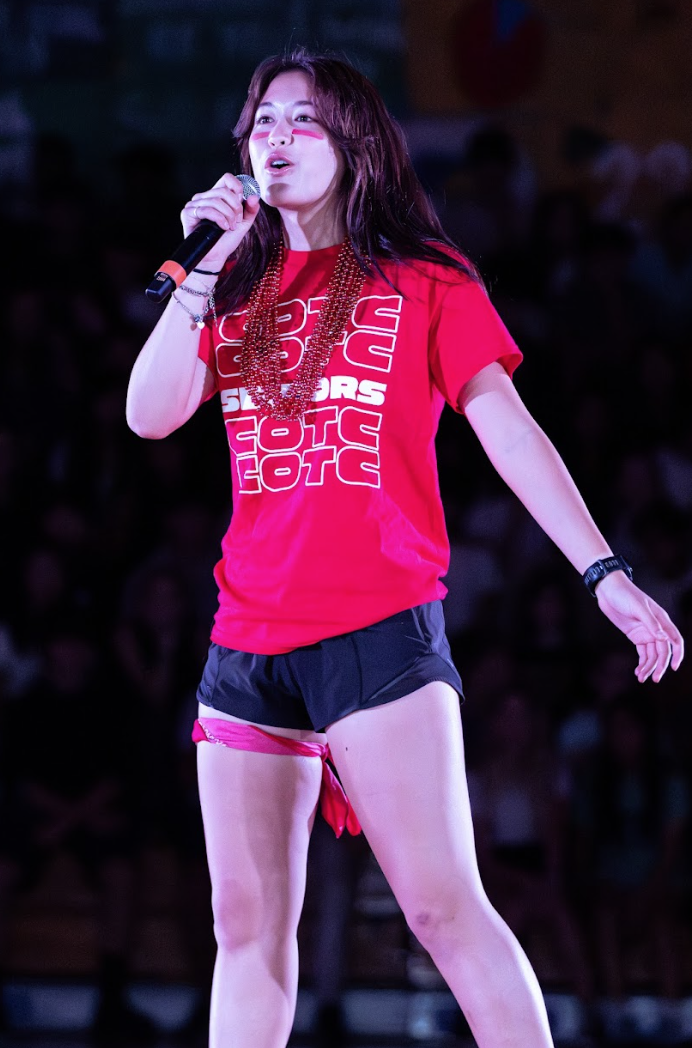
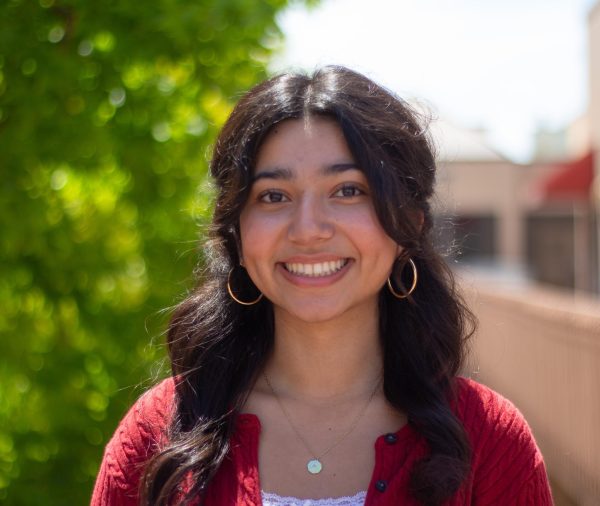
“Starting around a week and a half before the practices, I reached out to a few talented dancers I know to choreograph. At the same time, we sent out the interest form along with a schedule I made to the participants … I had the choreographers come up with the first song/dance … It’s a pretty stressful time, so I’m glad I have my friends and VP to rely on,” senior Class President Chelsea Wang said.
Students like Wang must take on crucial leadership positions as they lay out the very early stages of planning. They must line up choreographers to create clear plans to teach the student dancers. Although ASB might feel pressure to showcase their class’s school spirit, there are many other students taking on different roles that can help.
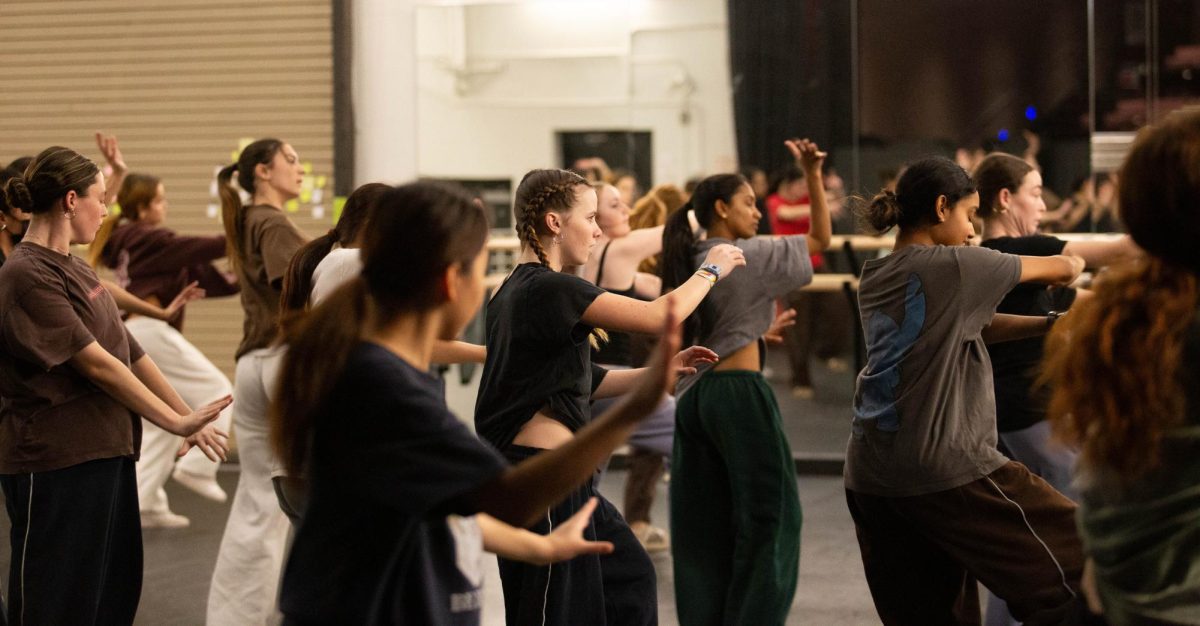
Next, choreographers must map out a strategy for teaching the dances to the student dancers. However, a challenge such as this comes with its own learning curve.
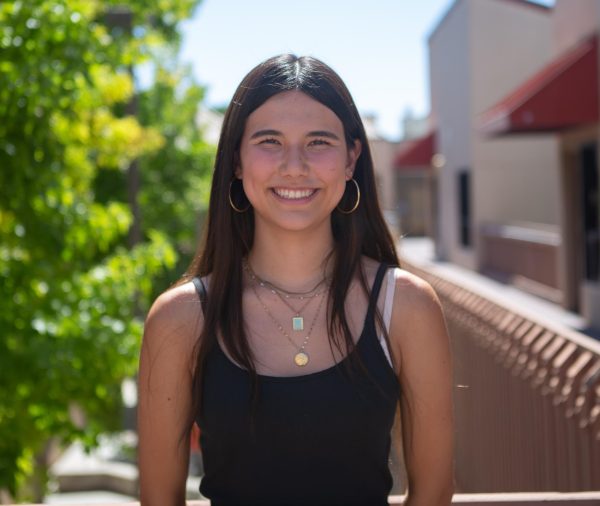
“It’s very easy for me to forget how difficult it is for people who don’t dance to pick up very simple moves that for me, would be second nature,” junior Varsity Dance Captain Jordi Colley said. “Learning to choreograph for all levels is a skill that can only come with experience and it’s a great learning experience for me as a dancer and a leader.”
Small learning curves and students trying their best to learn full routines in a matter of days serves as a reminder that hoco skit is just as much about community as it is the performance.
“I feel like it’s a different challenge than when working with more intricate pieces of choreography since you have to consider the fact that most of these people have never danced before,” senior Varsity Dance Captain Sahasra Pokala said.

Experienced dancers guide student dancers through the routine, transforming weeks of practice into a polished halftime show performance.
“This can be really difficult sometimes, but encouragement and reassurance is what I stick to. Sometimes you just can’t help it and no matter how hard you try to motivate them, they choose not to, which I totally respect and understand,” Colley said. “If you aren’t used to performing in front of people, getting out of that comfort zone can be really difficult, so uplifting them is all you can really do.”
In addition to teaching a routine, choreographers also focus on respecting student boundaries while keeping morale high.
Now, the responsibility turns from the choreographers to the students to make the leap from learners to performers. Even students with little to no experience give it their all, pushing past nerves to shine on stage.
“So the plan is to just try to copy what the person in front is doing,” senior Samuel Choi said.
Every student partaking in hoco skit had one thing in common, a shared desire to create something memorable.
When asked what the most rewarding part of organizing the hoco skit is, Wang said, “Definitely seeing people try something new and getting people from different groups to come together. It’s our last year of high school, so I’m really excited to see how our (last ever!) homecoming skit will turn out.”
With so many roles and levels of experience, students collaborate to craft the perfect skit. To sum up the hoco skit experience in one word, Choi uses: dynamic
From the first nervous steps to a synchronized finale, hoco skit proves that with teamwork and courage, ordinary students can create something extraordinary.